
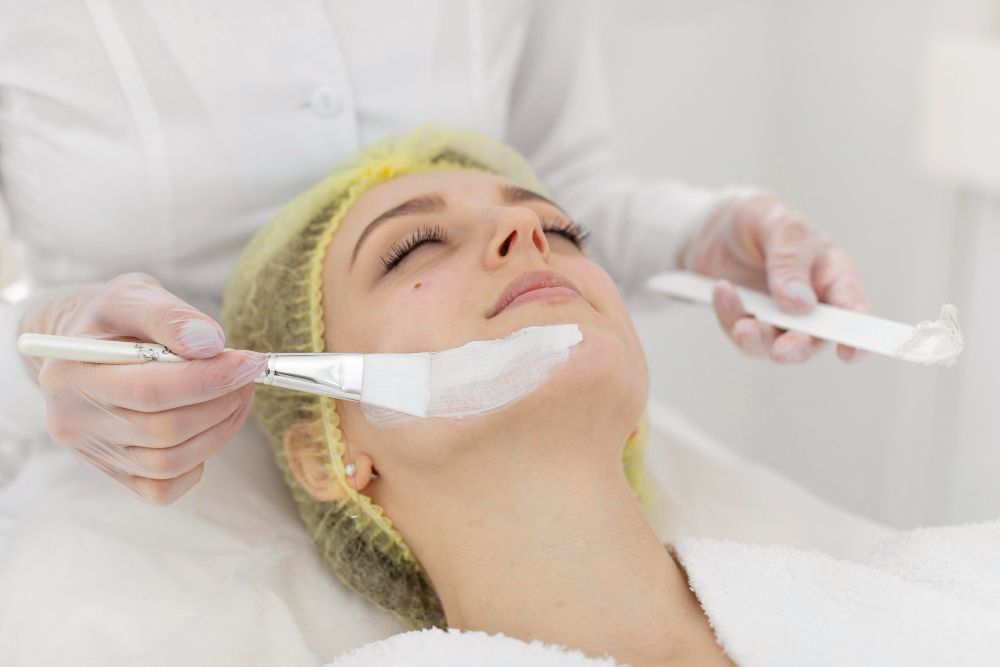
Healthy, clear skin doesn’t happen by accident. Over time, factors like sun exposure, pollution, aging, acne, and lifestyle choices cause the skin to lose its natural glow and smooth texture. This is where medical peels come in. Unlike over-the-counter exfoliants, professional medical peels are science-based treatments designed to actively stimulate skin renewal, improve texture, and target specific skin concerns at a deeper level.
Medical peels are one of the most effective non-invasive procedures in aesthetic medicine, offering visible results with controlled safety when performed by trained professionals.
What Are Medical Peels?
Medical peels; also known as chemical skin peels, are clinical treatments that use carefully formulated chemical solutions to exfoliate the skin in a controlled way. These solutions work by removing damaged outer layers of skin, triggering the body’s natural healing response and encouraging the production of new, healthier skin cells.
Unlike cosmetic peels used at home, medical peels are:
- Stronger and more targeted
- Performed under medical supervision
- Customizable based on skin type and condition
- Designed for deeper and longer-lasting results
They are commonly used to treat concerns such as uneven skin tone, acne, fine lines, pigmentation, dullness, and early signs of aging.
The Science Behind Skin Renewal
Skin renewal is a natural biological process where old skin cells are replaced with new ones. As we age, this process slows down, leading to:
- Rough skin texture
- Accumulation of dead skin cells
- Enlarged pores
- Loss of brightness
Medical peels accelerate this process by breaking down the bonds between dead skin cells and stimulating deeper layers of the skin. This leads to:
- Faster cell turnover
- Improved collagen production
- Smoother and brighter skin
- Better absorption of skincare products
In short, medical peels help the skin “reset” itself.
Types of Medical Peels
Medical peels are classified based on how deeply they penetrate the skin.
Superficial Medical Peels
These peels work on the outermost layer of the skin. They are ideal for:
- Mild pigmentation
- Dull skin
- Uneven texture
- Maintenance treatments
Common ingredients include alpha hydroxy acids (AHAs) like glycolic or lactic acid.

Medium-Depth Medical Peels
These penetrate deeper into the skin and are used for:
- Moderate acne scars
- Sun damage
- Fine lines
- Uneven pigmentation
They usually contain stronger acids such as trichloroacetic acid (TCA) in controlled concentrations.
Deep Medical Peels
Deep peels target more advanced skin concerns and are used less frequently. They require longer recovery and strict medical supervision but can produce dramatic results in selected patients.
Key Ingredients in Medical Peels
The effectiveness of a medical peel depends largely on its formulation. Common active ingredients include:
- Glycolic Acid: Improves texture, brightness, and mild pigmentation
- Salicylic Acid: Ideal for acne-prone and oily skin
- Lactic Acid: Gentle exfoliation and hydration support
- TCA: Treats pigmentation, wrinkles, and scars
- Retinoic Acid: Boosts collagen and skin regeneration
Advanced formulations often combine multiple ingredients to target different layers of the skin simultaneously.
The Medical Peel Procedure: Step by Step
A professional medical peel follows a structured and safe protocol:
- Skin Assessment
The practitioner evaluates skin type, concerns, and medical history.
- Skin Preparation
The skin is thoroughly cleansed and degreased to ensure even penetration.
- Application of the Peel
The chemical solution is applied for a controlled amount of time.
- Neutralization (if required)
Some peels are neutralized to stop the chemical action.
- Post-Treatment Care
Calming products and sun protection are applied.
The entire procedure typically takes 20–40 minutes.
Safety and Medical Supervision
One of the biggest advantages of medical peels is controlled safety. When performed by trained professionals:
- Concentrations are selected based on skin type
- Risks of burns or hyperpigmentation are minimized
- Recovery is monitored
- Results are predictable and consistent
This is why medical peels should never be confused with DIY or salon peels.
Expected Results and Recovery
Results depend on the type and depth of the peel, but most patients notice:
- Brighter skin within days
- Smoother texture after the first session
- Gradual improvement in pigmentation and fine lines
Mild peeling or redness is normal and usually subsides within a few days. Deeper peels may require longer recovery periods.
Medical Peels NVL: A Clinical Example
Advanced systems such as Medical Peels NVL are designed to deliver precise, reproducible results. These professional formulations focus on:
- Targeted skin renewal
- Controlled penetration
- Reduced downtime
- Compatibility with combination treatments
Medical Peels NVL are often used as part of comprehensive skin rejuvenation protocols, combined with microneedling, mesotherapy, or post-procedure skincare to enhance outcomes. if you need more info click here.
Who Is a Good Candidate for Medical Peels?
Medical peels are suitable for most skin types when properly selected. Ideal candidates include individuals with:
- Uneven skin tone
- Acne or acne scars
- Fine lines
- Sun damage
- Dull or tired-looking skin
However, active infections, certain skin conditions, or pregnancy may require postponing treatment.
Medical Peels vs. At-Home Exfoliation
While at-home exfoliants can improve surface texture, they cannot:
- Reach deeper skin layers
- Stimulate collagen effectively
- Treat moderate to severe skin concerns
Medical peels offer clinically proven results that go beyond cosmetic exfoliation.
Frequently Asked Questions (FAQ)
- Are medical peels painful?
Most patients experience mild tingling or warmth, but discomfort is generally minimal.
- How many sessions are needed?
This depends on skin concerns. Some issues improve after one session, while others require a series.
- Can medical peels be done year-round?
Yes, with proper sun protection, though lighter peels are preferred in summer.
- Is downtime required?
Superficial peels require little to no downtime. Deeper peels may need recovery time.
- Are medical peels safe for sensitive skin?
Yes, when customized and performed by professionals.
- Can medical peels help acne?
Absolutely. Salicylic-based peels are especially effective.
- Will my skin peel visibly?
Mild flaking is common, but heavy peeling is not always necessary for results.
- How long do results last?
With proper skincare, results can last several months.
- Can medical peels be combined with other treatments?
Yes, they are often combined with other skin renewal procedures.
- When will I see results?
Initial improvements are visible within days, with continued enhancement over weeks.
Final Thoughts
Medical peels remain one of the most scientifically backed and versatile tools for skin renewal. By combining controlled exfoliation with biological stimulation, they address a wide range of skin concerns safely and effectively. When performed using advanced systems like Medical Peels NVL, the results are not only visible—but predictable, professional, and long-lasting.
If you’re looking for a treatment that blends medical science with real skin transformation, professional medical peels are a proven solution.



No comment